Exploring Bingo Games: Where Strategy Meets Fun
Bingo games have become increasingly popular worldwide, drawing in countless players eager to test their luck and strategy. The fun of matching numbers and the thrill of shouting 'Bingo!' contribute to its enduring appeal. However, in this vibrant world of bingo, one uniquely charming symbol has started to catch the eye of many: the lucky cat. Known for its historical and cultural significance, the lucky cat has added an intriguing element to bingo games.
The Origins of Bingo
Bingo, as we know it today, has a rich history dating back to 16th century Italy. Originally called 'Il Gioco del Lotto d'Italia', this compelling game of chance spread across Europe, and by the 18th century, it had made its way to France and Germany. Eventually, the game landed in North America during the early 20th century, evolving into the bingo we recognize today.
The traditional bingo setup involves players marking numbers on cards as they are drawn randomly by a caller. The objective is to complete a specified pattern and declare a win by shouting 'Bingo!'. Simple in concept yet exhilarating in execution, bingo has continued to captivate players across generations. Over time, bingo halls have become community staples, offering social interaction along with the game.
The Charm of the Lucky Cat
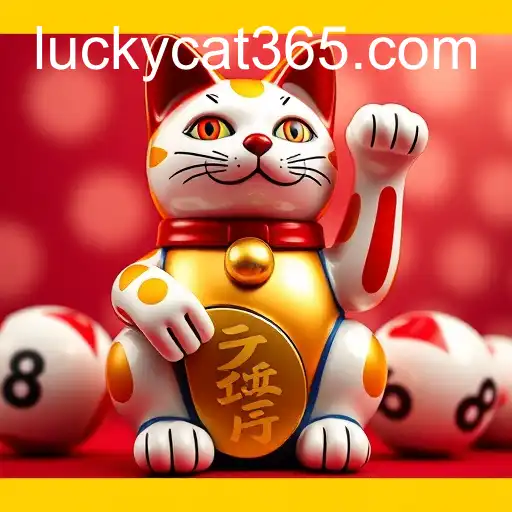
The introduction of the lucky cat, or 'maneki-neko', into bingo games adds a fascinating layer of cultural depth. Originating from Japan, the lucky cat is a common talisman believed to bring good fortune to its owner. This beckoning feline often appears in various settings, from homes and businesses to gambling venues, making it a popular symbol in bingo games as well.
Typically depicted with one paw raised, the lucky cat is said to attract positive energy and prosperity. In bingo games, the presence of a lucky cat might be incorporated as a design element on bingo cards or even as a part of special draw events, enhancing the player's experience and adding an extra dash of excitement.
Modern Adaptations and Technological Integration
With the digital revolution, bingo has made a seamless transition into the online world. Emerging technologies have allowed for an expansive range of digital platforms where enthusiasts can enjoy the game. This modernization has not only introduced bingo to a younger demographic but has also facilitated unique themed bingo games, incorporating symbols like the lucky cat.
Online bingo platforms may feature lucky cat-themed graphics, special incentives, or bonuses linked to the appearance of the lucky cat during gameplay. These features are not only visually appealing but also serve to maintain player engagement by offering unpredictable surprises and rewards.
Strategies to Maximize Enjoyment
While bingo is prominently based on chance, seasoned players often employ specific strategies to enhance their experience. One common approach is selecting bingo cards meticulously, often favoring combinations that have historically yielded wins. Observing fellow players and changes in pattern formats may also play a role in influencing one's success in the game. Additionally, incorporating auspicious symbols like the lucky cat can contribute to a player’s psychological boost, reinforcing the enjoyment derived from the game.
Another prevalent strategy includes participating in bingo games during less crowded sessions. Appearing often during weekdays or at selected times, these sessions offer improved odds due to fewer participants. The allure of the lucky cat, parallel to the prospect of these odds, create an engaging atmosphere for players.
The Social Fabric of Bingo Communities
Bingo is renowned for its role in bringing people together, fostering a sense of community among participants. Whether it's the physical gathering at bingo halls or the digital camaraderie found on online platforms, bingo creates a social fabric that enhances the game’s appeal.
The lucky cat, by transcending cultural boundaries, becomes a unifying symbol within these communities. Players from different backgrounds share not only the love for the game but also a collective appreciation for the charm and fortune the lucky cat is believed to bring.
Conclusion
The evolution of bingo games from historical roots to a culturally enriched pastime facilitated by modern technology demonstrates their continued relevance and excitement. The incorporation of the lucky cat into bingo games not only adds a delightful twist but also signifies a blending of cultural symbols and modern gaming. As bingo continues to grow, its ability to adapt while maintaining its core essence ensures its place in the hearts of players around the world.